

Nigeria has declared its candidacy for a seat on the United Nations Human Rights Council (UNHRC) for 2027-2029.

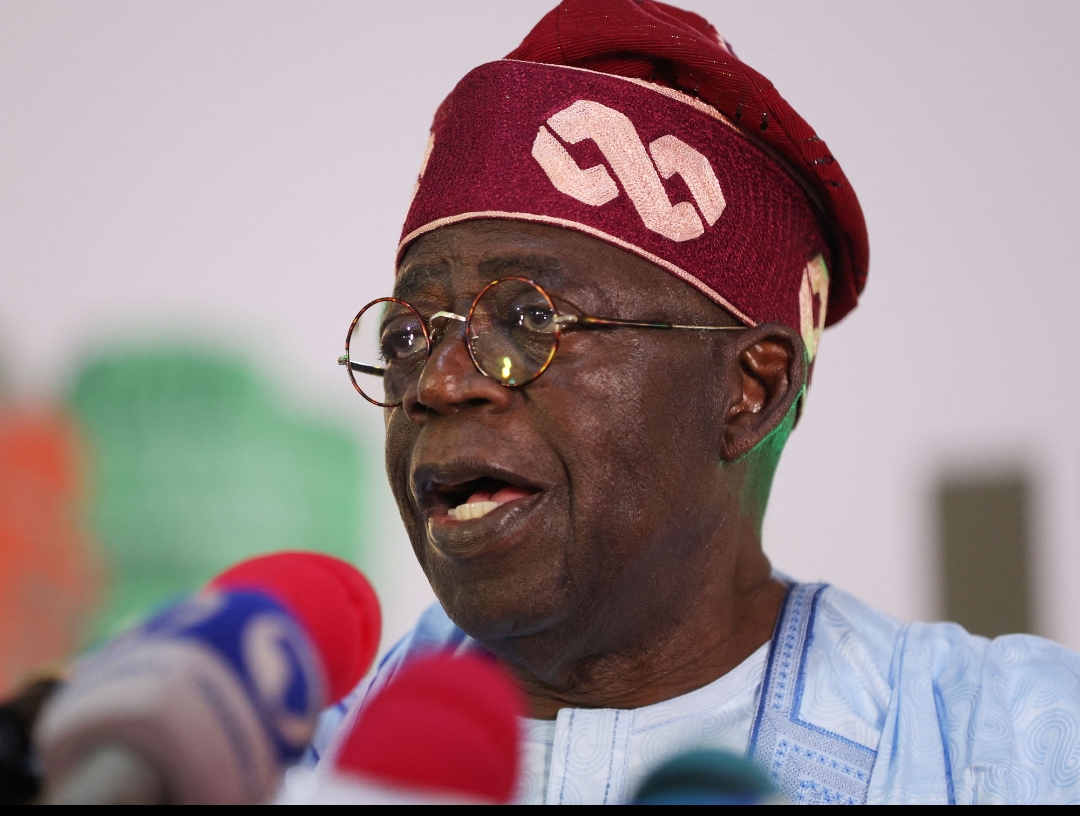
Yusuf Tuggar, minister of foreign affairs, presented the country’s bid in a video statement on Tuesday, highlighting the council’s role as a platform for dialogue, prevention, and cooperation. He reaffirmed Nigeria’s commitment to fully cooperate with the council’s mechanisms, which serve as instruments for promoting and protecting of human rights globally.
Tuggar also highlighted Nigeria’s plan to finance safe schools and invest in secure learning environments to prioritise children’s safety amid security threats. “We’re also strengthening accountability through ongoing reforms and regional and international cooperation to ensure international human rights and humanitarian standards are mainstreamed into all internal security operations with the primary focus of protecting civilians,” he said.
“Nigeria remains resolute in its commitment to freedom of religion and belief. We view the peaceful coexistence of all faith communities as the essential foundation of our national unity. “Nigeria remains resolute in ensuring a society where every citizen, regardless of creed or tribe, stands protected under the shield of justice.”
The minister also pointed to the country’s economic reforms, national social investment programmes, and its digital economy as centrepieces to fostering an environment conducive to development. “Nigeria knows first-hand that the exercise of human rights today is inseparable from environmental protection,” he added. “Through climate adaptation strategies, Nigeria remains committed to advancing climate action, anchored in human rights and sustainable development for future generations.”
He emphasised Nigeria’s understanding of the council’s membership expectation, noting that Africa’s biggest democracy is ready to work with all partners to advance peace, justice, and sustainable development in Africa and beyond.
Nigeria’s last membership term on the UNHRC ended in 2020, following its re-election in 2017 for the 2018-2020 period. Elections to the council happen annually, with countries serving for three years on a rotational basis. Angola, Egypt, Mauritius, and South Africa were recently elected to the council for the 2026-2028 term.