

In a viral testimony, the survivor recounts sexual exploitation, forced abortions, and the silence of religious institutions that collected tithes from trafficked girls

A survivor of human trafficking has gone viral after sharing harrowing details of her exploitation as a teenage girl in Italy — including allegations that Nigerian-led churches were not only aware of the trafficking but actively participated in profiting from it.
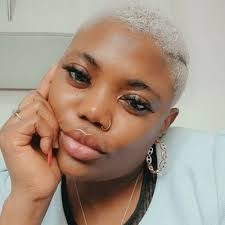
Izzy Ogbeide, who was trafficked from Benin City, Nigeria, broke her silence in a live social media broadcast that quickly sparked intense debate online. Speaking with visible emotion, Ogbeide described the years she spent doing what she called “street hustling” in Italy — a euphemism for the forced sex work she was coerced into as a minor.
Her testimony, now widely circulated, has drawn both praise and controversy, with many survivors and advocates affirming the realities she described. “Churches never rescued a girl. They don’t even see it as human trafficking — because even pastors and their wives have girls that pay them.”
Churches Collected Tithes From Trafficked Girls, Survivor Alleges
Among the most explosive claims in Ogbeide’s account was the alleged complicity of Nigerian church leaders based in Italy. She said pastors and their wives were fully aware that young girls in their congregations were being sexually exploited, yet not only failed to intervene — but in some cases directly benefited. “A pastor sat me down and told me how to pay 10 percent of my money to the church,” Ogbeide said. “I would go do that work, then carry the money to pay my tithes. They never protected us. No black church ever helped.”
She also alleged that some pastors’ wives brought girls to work in their homes, and that church leaders used scripture to assuage the girls’ guilt rather than advocate for their freedom. “The pastor preached Corinthians to me. He said Jesus stands in the gap for my sin,” she recounted.
Ogbeide described the severe physical toll inflicted on trafficked girls. She alleged that “madams” — the women who controlled the girls — administered abortifacient drugs mixed with alcohol to end pregnancies, and that some girls were subjected to forced hysterectomies to ensure they could continue working.
“Some girls can’t even get pregnant because the madam may have removed their wombs,” she said. “Many girls in Europe cannot have children.” She also recounted that the girls were actively discouraged from getting tested for HIV. “We were told not to do tests,” she said. “So if one has HIV, they keep it to themselves — because nobody cares.”
In a grim contrast to the alleged inaction of religious institutions, Ogbeide said the Red Cross was the only organisation that reached out to the girls — offering condoms, warm beverages, and HIV testing. “The Red Cross helped us and gave us condoms, hot tea, and biscuits. They offered to test us for HIV, but we rejected it because we had been told it was dangerous,” she said. “Coldness brought us in; fear kept us from getting help.”
NAPTIP Commends Survivor’s Courage
Nigeria’s National Agency for the Prohibition of Trafficking in Persons (NAPTIP) issued a statement acknowledging Ogbeide’s testimony, commending her “courage and resilience” in speaking out. “Your voice matters. Thank you for your bravery in turning pain into purpose,” the agency said. “We are here to support survivors in their healing journey and to ensure justice for all victims of this modern-day slavery.”
Ogbeide’s testimony resonated with many who grew up in or near Benin City, historically a major source of trafficking victims to Europe. One commenter who said they lived beside a notorious trafficker during that era wrote: “What she’s sharing is just a tiny bit of what trafficked young girls went through. Some families were completely wiped out.”
Ogbeide used her platform to issue a pointed warning to Nigerian families. “It is not wise to send young girls abroad at such a tender age,” she said, adding a sharp rebuke to adults who she said failed to protect children while being quick to condemn survivors. “I hate when adults advise children,” she said. “They never protected or helped us.”
If you or someone you know has been affected by human trafficking, contact NAPTIP at 0800 900 9995 (toll-free) or visit naptip.gov.ng.