


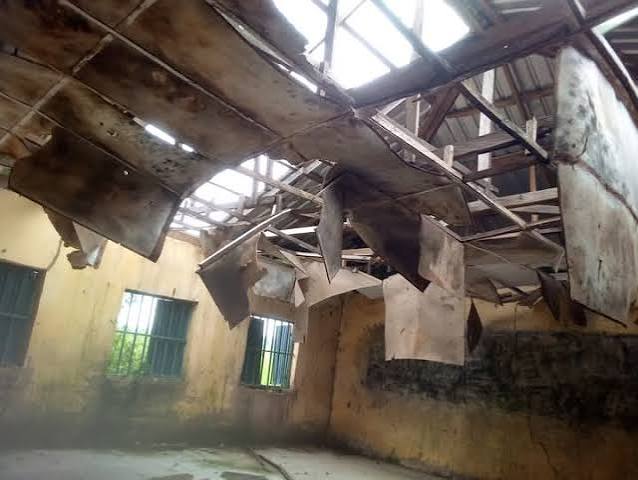
More than 196 pupils have reportedly stopped attending the Universal Basic Education (UBE) Primary School in Katcha Local Government Area of Niger State because the school’s classrooms are in a state of disrepair. Civic accountability organisation MoNiTNG disclosed this in a post on X, urging the state government and education authorities to rehabilitate the school without delay.

The group said the classrooms have deteriorated to the point where they no longer offer pupils a safe and conducive learning environment. It stressed that the children were not leaving because they undervalue education, but because the facility meant to serve their community had pushed them out. “Behind every out-of-school figure is a child whose education, opportunities and future are being affected,” the organisation said, noting that the situation is especially worrying given Nigeria’s large population of out-of-school children.
MoNiTNG called on Governor Mohammed Umaru Bago, the Niger State Universal Basic Education Board (SUBEB), Katcha Local Government authorities and other UBE officials to intervene urgently. It said the children should not have to wait another school year for government to act. The post carried photographs of the school’s condition, and the governor was tagged in the appeal. The group said the Katcha case is not isolated. Last week, it reported that pupils of Zariyawa Community School in Zariyawa Maje, Suleja Local Government Area, were being made to sit on bare floors during lessons.
The school, reportedly the only one serving the community, has just four classrooms for both primary and secondary pupils. Shortages of desks, chairs and other essentials leave many pupils without seating, making teaching and learning difficult for students and teachers alike. “This is a community school, but the children attending it are not second-class citizens,” MoNiTNG said.
The organisation said the school needs more classrooms, desks, chairs, learning materials and sanitation facilities. It also raised concerns about the conditions under which teachers are expected to work. MoNiTNG pointed to the state’s finances, noting that Niger State received ₦48.37 billion from the Federation Account Allocation Committee (FAAC) between January and March 2026. It questioned why children in communities like Zariyawa Maje should still sit on bare floors despite such allocations.
The group urged the state government, the Ministry of Education and Suleja Local Government authorities to visit the school, assess the situation and supply the needed facilities. “We are not asking for luxury,” it said. “We are asking for the basics.”
The two cases highlight the infrastructure challenges facing pupils in underserved communities in Niger State, where inadequate classrooms and facilities threaten access to quality education.