

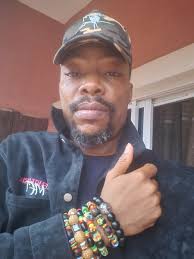
ENUGU, Nigeria — A Federal High Court in Enugu has granted bail to popular social media influencer and activist Chijinkem Ugwuanyi, months after he was remanded in prison over a Facebook post targeting a senior state government official.

Ugwuanyi was first arraigned before an Enugu State Magistrate Court on January 27, 2026, on charges of alleged defamatory publication and cyberbullying. The charges stemmed from a Facebook post he made concerning Prof. Chidiebere Onyia, the Secretary to the Enugu State Government. The presiding magistrate subsequently remanded him in custody, denying bail despite legal arguments advanced by his counsel.
His detention drew swift and widespread condemnation from human rights organisations and prominent voices across Nigeria. Amnesty International declared that no individual should face punishment for criticising a government official, arguing that freedom of expression is protected under international human rights law. The organisation maintained that public figures , including those exercising the highest political authority , must remain open to scrutiny and criticism.
Former presidential candidate and activist Omoyele Sowore also spoke out forcefully against the arrest. “The Nigeria Police Force must not become a tool in the hands of politicians for the arbitrary arrest, detention, and unjust restriction of individuals’ legitimate exercise of freedom of expression and opinion,” he said.
On March 12, 2026, a coalition of 50 human rights groups issued a joint statement demanding Ugwuanyi’s immediate release and challenging the legal basis of the charges. The coalition argued that Section 24 of the Cybercrimes Act 2015, as amended, limits punishable offences to the transmission of pornographic content or messages that are knowingly false and intended to cause a breakdown of law and order or a threat to life. “Commentary on a public official plainly does not meet this threshold,” the coalition stated.
Friday’s bail ruling by the Federal High Court marks a significant development in the case, which has become a flashpoint in the ongoing national debate over free speech, press freedom, and the use of cybercrime laws to silence government critics in Nigeria.