


Celebrity Boxing: Before the Ring Claims a Life

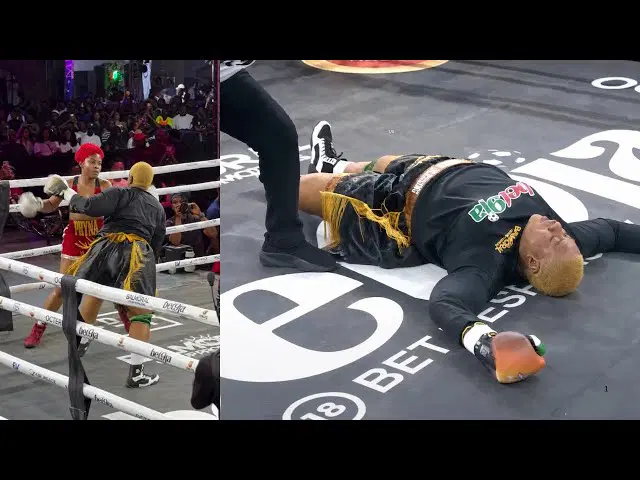
Nigeria has a habit of embracing fads long before it has asked what they might cost. The latest is celebrity boxing, in which influencers, reality-TV stars, musicians and actors turn their social media quarrels into paid contests before cheering crowds. Last week in Lagos, BBNaija Season 7 winner Phyna defeated Nollywood actress Nkechi Blessing in a four-round bout, the first female celebrity boxing bout in the “Chaos in the Ring” series, after weeks of public exchanges over a disagreement about a proposed collaboration. It followed earlier male bouts, including the one in which Efe beat Portable on a unanimous decision. By any measure, the trend is no longer a novelty. It has grown into a fledgling commercial entertainment built on influencer matchups and grudge matches, drawing viewers who would not normally watch boxing.
We understand the appeal. The spectacle is cheap to stage, easy to promote and guaranteed to trend, and the prize money is tempting in an economy where opportunity is scarce. But a fad that thrives on fists and public humiliation deserves a far harder look than it is getting, and we are worried that Nigeria is sleepwalking into a calamity.
Boxing is among the few sports in which the declared aim is to strike the opponent’s head. The medical literature is clear that repeated blows to the head can cause concussion and bleeding in the brain and, over time, memory loss, depression, cognitive decline and chronic traumatic encephalopathy. Professional boxers spend years preparing for this punishment. They are screened by doctors, matched by weight and experience, and watched over by trained referees and ringside medical teams. The celebrity fighter, by contrast, is typically a novice whose body was built for the stage or the screen, not the ring. Hasty training camps, crash weight-cutting, mismatched opponents and a crowd baying for blood are a recipe for avoidable injury. Women, who have only just entered this arena, face their own physiological risks, which should be studied rather than monetised.
What makes this more disturbing is the silence on safeguards. The public does not know whether these events insist on pre-fight neurological clearance, qualified ringside doctors, ambulances on standby, access to a nearby hospital, mandatory rest periods after a bout, or insurance for the fighters. If such arrangements exist, promoters should publish them. If they do not, then Nigerians are being asked to applaud while lives are gambled with for entertainment.
The damage is not confined to the body. These contests are sold on weeks of insults, threats and name-calling, and the ring is presented as the proper place to settle a dispute over a failed business deal or a collapsed collaboration. A young Nigerian watching at home learns that aggression is a route to fame and money, and that grievances are best settled with a punch on camera. In a country already grappling with insecurity, mob violence, cultism and a worrying rise in gender-based violence, glamorising brawls is not harmless fun. Nor is it clear that fighters are always free agents. When followers, sponsorships and income depend on staying relevant, the pressure to say yes can be heavy, and a contract signed in such circumstances may offer little protection against exploitation. Add the betting that inevitably gathers around big-money contests, the body-shaming and misogynistic commentary that trails the female bouts, and the absence of any visible age restriction on spectators and viewers, and the picture becomes more troubling still.
It is against this background that we insist the regulators wake up. The Nigeria Boxing Board of Control and the National Sports Commission, working with state governments and health authorities, must bring these events under a clear legal and regulatory framework. Branding a contest as entertainment cannot be a licence to evade standards. Promoters, referees and medical personnel should be licensed. Fighters should undergo medical and neurological examinations before every bout, be matched fairly by weight and experience, train for a minimum period, wear protective gear, and be insured. Emergency medical cover must be non-negotiable, and a fighter who is hurt should be suspended from competing until a doctor says otherwise. Contracts should be transparent, with fair pay, independent legal advice and the right to withdraw on medical grounds. Rules on age restriction, broadcast standards and responsible advertising should also curb the toxic pre-fight build-up that feeds on abuse.
Media houses, sponsors and online platforms that profit from the hype cannot wash their hands of the consequences. Their reach is what makes the spectacle possible, and with that reach comes a duty of care. The public, too, should reflect on its appetite. Every ticket bought and every clip shared funds the next fight.
Nigeria does not have to wait for a fighter to be carried out of the ring on a stretcher, or worse, before it decides that rules are necessary. Too often we legislate in the wake of tragedy, and the regret comes too late to matter. The authorities should act now, while the sport is still young and while the cost of acting is small. Entertainment is welcome, but it must never be bought with human lives.