

Lagos, Nigeria — January 28, 2026

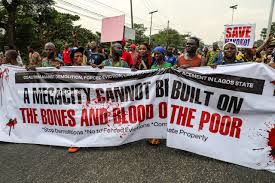
Nigerian police officers opened fire and deployed tear gas against hundreds of peaceful protesters outside the Lagos State House of Assembly on Wednesday, leaving multiple people injured and sparking widespread condemnation from civil society organizations.
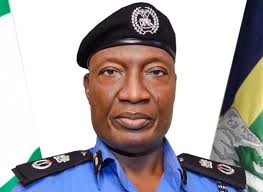
The demonstrators, including displaced residents from waterfront communities such as Makoko, Oworonshoki, Owode-Onirin, and Bariga, had gathered to protest ongoing demolition exercises carried out by the Lagos State Government that have left thousands homeless and without compensation. What began as a peaceful march from Ikeja Underbridge to the State House of Assembly Complex in Alausa quickly descended into chaos when police, reportedly acting on orders from Commissioner of Police Moshood Jimoh, fired tear gas canisters directly at unarmed protesters and journalists covering the event.
Violence Erupts as Police Crack Down
Eyewitnesses reported that armed officers from the Rapid Response Squad (RRS) blocked access to the Assembly complex around 1:30 p.m., complemented by the Lagos State Taskforce. Without warning or provocation, police fired multiple tear gas canisters into the crowd.
Activist Taiwo Hassan, a prominent leader of the demonstration, was among those arrested. Frank Dele was also detained. Their current whereabouts remain unknown, according to coalition members. Multiple protesters sustained injuries during the crackdown. Kafayat Muftaudeen from the Oworonshoki community was severely affected by tear gas and rushed to Lagoon Hospital in Ikeja for treatment. Medical staff indicated she would need to be transferred to see a plastic surgeon. Another protester was reportedly shot in the leg.
Journalists were also targeted. Oluwaferanmi Oladipupo of Daily Family and medical professional Jennifer Rita Obiora were hospitalized after direct tear gas exposure.
Police Defend Actions, Claim Protesters Were Violent
In a statement posted on social media platform X, Lagos State Police Public Relations Officer Abimbola Adebisi defended the crackdown, claiming protesters blocked Awolowo Way for over six hours, causing disturbance of public peace, distortion of law and order, and preventing the general public from use and passage;
The police characterized the demonstrators as; violent alleging they carried a coffin and used vehicles with loudspeakers to intimidate the public. The statement claimed police used minimum force to disperse the crowd and asserted that no injuries were recorded, a claim directly contradicted by eyewitness accounts and hospital admissions. Mr. Hassan and Mr. Dele face charges of conspiracy, inciting public disorder, threatening violence, and obstructing traffic. Investigations are ongoing at the State Criminal Investigation Department in Panti ahead of potential court proceedings.
Civil Society Groups Condemn Police Brutality
Corporate Accountability and Public Participation Africa (CAPPA) issued a scathing condemnation of what it described as violent, unlawful, and deeply reprehensible actions by both the Lagos State Government and the Nigerian Police Force.
Zikora Ibeh, Assistant Executive Director of CAPPA Africa, told journalists that communities across Lagos have suffered repeated demolitions resulting in the destruction of homes, schools, and livelihoods. These demolitions have led to deaths, injuries, and the breakdown of entire communities; Ibeh said.
CAPPA disputed claims that Hassan’s conduct escalated the situation, presenting video evidence showing he repeatedly urged protesters to remain peaceful. The organization called for the immediate release of all detained protesters, the return of seized property, and the suspension of Commissioner Jimoh. Ayoyinka Oni of the Coalition Against Demolition described the incident as brutality by the police, while Babatunde Yusuf of the Ajegunle Peoples Movement called it; excessive, particularly against elderly protesters.
Legal Expert: Police Violated Constitutional Rights
Senior Advocate of Nigeria Femi Falana condemned the police actions as violations of constitutional rights and the Police Establishment Act of 2020.
Falana noted that Section 83(4) of the Police Establishment Act requires police to provide security for peaceful assemblies rather than attack them. The brutality meted out to unarmed protesters cannot be justified under the Police Establishment Act and the Nigerian Constitution, he stated. He revealed that protest organizers had notified police authorities two days in advance, as required by law, but the notification was rejected. Falana personally called Commissioner Jimoh to remind him of his legal obligation to provide security.
Demolitions Leave Thousands Homeless
The protests stem from ongoing demolition exercises across Lagos waterfront communities. Makoko, a historic stilt community, has faced repeated demolitions dating back to 2005, with major incidents in 2012 and most recently in January 2026. According to Human Rights and Environmental Justice organizations, armed security personnel and demolition teams have invaded Makoko since January 5, 2026, destroying homes, setting structures ablaze, and firing tear gas at residents, including women, children, and the elderly. At least three people, including two infants, have reportedly died in connection with the demolitions.
Lagos State Commissioner for Information and Strategy Gbenga Omotoso defended the demolitions, stating that buildings along waterways and under high-tension power lines pose serious safety risks. However, civil society groups argue the demolitions are anti-poor and carried out without consultation, compensation, or resettlement plans. Displaced residents report losing not only their homes but also their businesses, schools, and entire livelihoods.
Pattern of Police Violence Against Protesters
Wednesday’s incident is part of a disturbing pattern of police violence against peaceful protesters in Nigeria. Similar crackdowns have occurred repeatedly since 2024.
During the nationwide #EndBadGovernance protests in August 2024, police deployed tear gas across multiple cities including Abuja, Kano, and Lagos. Amnesty International reported that at least 24 protesters were killed during the crackdown, with over 1,200 detained. At the fourth anniversary memorial of the 2020 #EndSARS protests, police again dispersed peaceful participants at the Lekki Tollgate with tear gas. In October 2025, police fired tear gas at protesters demanding the release of detained activist Nnamdi Kanu, and in December 2025, teargassed contractors protesting unpaid debts owed by the Federal Capital Territory Administration.
Commissioner Jimoh has a documented history of threatening protesters. The Youth Rights Campaign noted he previously threatened to “smoke” #EndBadGovernance protesters and illegally declared civil rights activist Omoyele Sowore as wanted for standing in solidarity with victims of state violence.
Protesters Vow to Continue Despite Crackdown
Despite the violent suppression, coalition members have vowed to continue their resistance. Blessing Osugba of the End Bad Governance organizing committee demanded the immediate release of arrested protesters. We will continue the protest until our demands are met Osugba stated. The Lagos State Government must halt all demolitions and compensate all victims adequately.
The Youth Rights Campaign, through National Coordinator Adaramoye Michael Lenin, called for the immediate dismissal of Commissioner Jimoh and the unconditional release of Hassan and Dele. Police brutality will not silence the struggle, the organization stated.The fight against forceful eviction, land grabbing, and state repression in Lagos will continue until justice is done.