
Advertisement
  • HOME
  • BREAKING NEWS
  • OPINION
  • INTERVIEWS
  • BOOK REVIEW
  • FEATURES
  • HEALTH
  • HUMAN RIGHTS
    • Child Rights
    • Climate Justice
    • Death In Custody
    • Death Penalty
    • Disability
    • Disappearances
    • Environment
    • Extra-Judicial Executions
    • Justice
    • Labour
    • Pre-trial Detention
    • Prison Reform
    • SOGI
    • Torture
    • Women Rights
  • INTERNATIONAL
  • INVESTIGATIONS
  • MEDIA
    • Documents
    • Infographics
    • Photos
    • Video
  • OPPORTUNITIES
  • SPECIAL INVESTIGATION
  • ABOUT US
No Result
View All Result
  • HOME
  • BREAKING NEWS
  • OPINION
  • INTERVIEWS
  • BOOK REVIEW
  • FEATURES
  • HEALTH
  • HUMAN RIGHTS
    • Child Rights
    • Climate Justice
    • Death In Custody
    • Death Penalty
    • Disability
    • Disappearances
    • Environment
    • Extra-Judicial Executions
    • Justice
    • Labour
    • Pre-trial Detention
    • Prison Reform
    • SOGI
    • Torture
    • Women Rights
  • INTERNATIONAL
  • INVESTIGATIONS
  • MEDIA
    • Documents
    • Infographics
    • Photos
    • Video
  • OPPORTUNITIES
  • SPECIAL INVESTIGATION
  • ABOUT US
No Result
View All Result
Nigerian Observatory For Human Rights
No Result
View All Result
Home HUMAN RIGHTS Death Penalty

Saudi Arabia Executes 213 People In Less Than 10 Months, Setting New Record- REPRIEVE

Editor by Editor
October 13, 2024
in Death Penalty, HUMAN RIGHTS
0
0
SHARES
8
VIEWS
Share on FacebookShare on Twitter
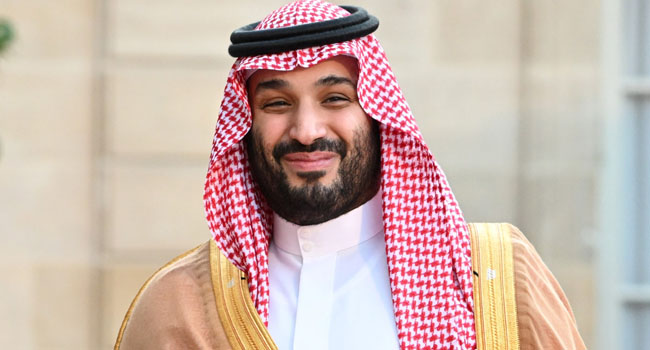
Saudi Arabia has executed 213 people so far in 2024, more than it has in any other calendar year on record, as the kingdom competes for a seat at the UN Human Rights Council (HRC).
According to the London-based rights group Reprieve, which documents the death penalty worldwide, the largest recorded figure prior to this year was 196 in 2022, followed by 184 in 2019.
“As the world's attention fixates on horror elsewhere in the Middle East, Saudi Arabia is clearing death row with a bloodbath,” Reprieve’s deputy director, Harriet McCulloch, told MEE.
“The Kingdom smashed its own grim record for most people executed in a year in the first nine months of 2024,” she added. “With 213 executions and counting, death row prisoners are at greater risk than ever before, their families desperately awaiting news of their fate in the news.”
The executions are taking place under the government of Crown Prince Mohamed bin Salman, the kingdom’s prime minister and de facto leader, who pledged in a 2018 interview to minimise capital punishment.
Yet, Saudi Arabia remains one of the world’s most prolific executioners.
At least 1,115 executions have been carried out under Mohammed bin Salman’s rule between 21 June 2017 and 9 October 2024, a spokesperson for Reprieve told Middle East Eye. 
In 2023, a joint report by the European Saudi Organisation for Human Rights (ESOHR) and Reprieve revealed that Riyadh’s execution rate has almost doubled since King Salman and his son, Mohammed bin Salman, came to power in 2015.
Between 2015 and 2022, executions surged by 82 percent.
'Poor record'
On Wednesday, the HRC is due to hold elections for its 2025-2027 term, and Saudi Arabia is amongst the 19 candidates.
“Today, UN member states should vote no - no to Saudi Arabia securing a seat on the council, and no to rising executions carried out with impunity,” McCulloch said.
The HRC is the main intergovernmental body within the UN with the mandate to strengthen the protection and promotion of human rights around the world. 
Human rights activists have denounced Riyadh’s candidacy as contradicting the council’s raison d’etre.
The criteria for electing its member countries include a requirement for members to “uphold the highest standards in the promotion and protection of human rights” and to “fully cooperate with the Council.”
UN Watch, an organisation that monitors the UN’s performance against its own charter, has spearheaded calls for the reform of the HRC’s election system, which allows for states with a poor human rights record to become members.
Two-thirds of the council’s members are non-democracies. On Tuesday, UN Watch said Saudi Arabia was “unqualified” for membership of the council.

Additionally, according to Reprieve, Saudi Arabia has repeatedly lied to the UN about its use of the death penalty.
On Wednesday, it told the Committee on the Elimination of Discrimination against Women that it only uses the death penalty for the most serious crimes, and that its juvenile law seeks to negate the death penalty for minors. 
This contradicts the kingdom’s track record of issuing death penalties for those facing allegations of crimes committed under the age of 18.
Three clients of Reprieve and the ESOHR, Abdullah al-Derazi, Youssef al-Manasif and Abdullah al-Howaiti, were convicted based on confessions made under torture over alleged crimes committed under the age of 18.
The official human rights authority in the kingdom, the Saudi Human Rights Commission, also falsely claimed that child defendant Mustafa al-Darwish, who was sentenced to death for protest-related offences, was over 19 at the time of the crimes.
But Reprieve and ESOHR provided evidence that proved he was in fact under 18. Darwish was executed on 15 June 2021 despite the evidence.

Saudi Arabia has executed 213 people so far in 2024, more than it has in any other calendar year on record, as the kingdom competes for a seat at the UN Human Rights Council (HRC).

According to the London-based rights group Reprieve, which documents the death penalty worldwide, the largest recorded figure prior to this year was 196 in 2022, followed by 184 in 2019. “As the world’s attention fixates on horror elsewhere in the Middle East, Saudi Arabia is clearing death row with a bloodbath,” Reprieve’s deputy director, Harriet McCulloch, told MEE.

“The Kingdom smashed its own grim record for most people executed in a year in the first nine months of 2024,” she added. “With 213 executions and counting, death row prisoners are at greater risk than ever before, their families desperately awaiting news of their fate in the news.”

The executions are taking place under the government of Crown Prince Mohamed bin Salman, the kingdom’s prime minister and de facto leader, who pledged in a 2018 interview to minimise capital punishment. Yet, Saudi Arabia remains one of the world’s most prolific executioners. At least 1,115 executions have been carried out under Mohammed bin Salman’s rule between 21 June 2017 and 9 October 2024, a spokesperson for Reprieve told Middle East Eye. 

In 2023, a joint report by the European Saudi Organisation for Human Rights (ESOHR) and Reprieve revealed that Riyadh’s execution rate has almost doubled since King Salman and his son, Mohammed bin Salman, came to power in 2015. Between 2015 and 2022, executions surged by 82 percent.

‘Poor Record’

On Wednesday, the HRC is due to hold elections for its 2025-2027 term, and Saudi Arabia is amongst the 19 candidates. “Today, UN member states should vote no – no to Saudi Arabia securing a seat on the council, and no to rising executions carried out with impunity,” McCulloch said. The HRC is the main intergovernmental body within the UN with the mandate to strengthen the protection and promotion of human rights around the world. 

Human rights activists have denounced Riyadh’s candidacy as contradicting the council’s raison d’etre. The criteria for electing its member countries include a requirement for members to “uphold the highest standards in the promotion and protection of human rights” and to “fully cooperate with the Council.”

UN Watch, an organisation that monitors the UN’s performance against its own charter, has spearheaded calls for the reform of the HRC’s election system, which allows for states with a poor human rights record to become members.

Two-thirds of the council’s members are non-democracies. On Tuesday, UN Watch said Saudi Arabia was “unqualified” for membership of the council. Additionally, according to Reprieve, Saudi Arabia has repeatedly lied to the UN about its use of the death penalty.

On Wednesday, it told the Committee on the Elimination of Discrimination against Women that it only uses the death penalty for the most serious crimes, and that its juvenile law seeks to negate the death penalty for minors. 

This contradicts the kingdom’s track record of issuing death penalties for those facing allegations of crimes committed under the age of 18.Three clients of Reprieve and the ESOHR, Abdullah al-Derazi, Youssef al-Manasif and Abdullah al-Howaiti, were convicted based on confessions made under torture over alleged crimes committed under the age of 18.

The official human rights authority in the kingdom, the Saudi Human Rights Commission, also falsely claimed that child defendant Mustafa al-Darwish, who was sentenced to death for protest-related offences, was over 19 at the time of the crimes.But Reprieve and ESOHR provided evidence that proved he was in fact under 18. Darwish was executed on 15 June 2021 despite the evidence.

Tags: death penaltySaudi Arabia
Previous Post

Human Rights: Violence against women and girls in sports becoming systematic- UN Special Rapporteur

Next Post

UniAbuja Mourns Loss of First-Class Graduate in Tragic Motorcycle Accident

Editor

Editor

Next Post
UNIABUJA Tuition Hike:  Why We Suspended Two Students

UniAbuja Mourns Loss of First-Class Graduate in Tragic Motorcycle Accident

Leave a Reply Cancel reply

Your email address will not be published. Required fields are marked *

Follow Us on Social Media

Facebook Twitter Youtube
  • About
  • Contact

Ⓒ2022 All Rights Reserved By  NIGERIAN OBSERVATORY FOR HUMAN RIGHTS.

No Result
View All Result
  • HOME
  • BREAKING NEWS
  • OPINION
  • INTERVIEWS
  • BOOK REVIEW
  • FEATURES
  • HEALTH
  • HUMAN RIGHTS
    • Child Rights
    • Climate Justice
    • Death In Custody
    • Death Penalty
    • Disability
    • Disappearances
    • Environment
    • Extra-Judicial Executions
    • Justice
    • Labour
    • Pre-trial Detention
    • Prison Reform
    • SOGI
    • Torture
    • Women Rights
  • INTERNATIONAL
  • INVESTIGATIONS
  • MEDIA
    • Documents
    • Infographics
    • Photos
    • Video
  • OPPORTUNITIES
  • SPECIAL INVESTIGATION
  • ABOUT US

© 2022 All Rights Reserved by Nigerian Observatory For Human Rights

Dark Mode